Knowledge base / Care and gear
Hockey Tape on Wet, Slushy and Outdoor Ice
Short answer
Wax your cloth tape so water and snow bead off instead of soaking in, rewax when it starts to look wet, and carry a spare roll. Wet tape adds weight and loses grip on the puck, so replace a tape job that stays soaked.
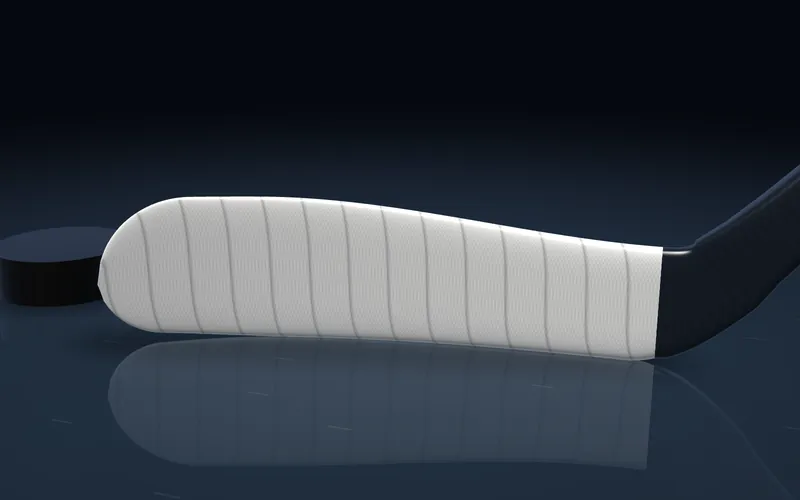
Cloth tape is woven, and woven cloth soaks up water. Indoors, on fresh ice, that rarely matters. On an outdoor rink, in slush late in a game or in a humid arena, it does.
What water does to tape
Lowry’s waxing guide says wet tape can reduce control and add weight. Howies sells its wax specifically to help prevent ice and snow building up on the tape.
Players also deal with the opposite problem: tape that is too tacky. Sports Illustrated reported in 1982 that Wayne Gretzky rubbed baby powder into his fresh tape to take away its stickiness. Without the powder, he said, “the puck feels sluggish on the stick.”
Wax is your main defence
Wax fills the weave so water beads off.
- Howies says its wax helps prevent ice and snow build-up so you can feel the puck.
- Lowry calls wax a moisture barrier that keeps the tape dry on wet ice.
For outdoor or slushy ice:
- Wax a fresh tape job on both faces and the bottom edge. Lowry singles out the bottom edge and the puck contact area as the spots that wear and get wet most.
- Rewax during the skate when the tape starts to look dark and wet. The hockeytape.ca tape types page suggests doing it between periods.
- Knock snow off the blade between shifts before it packs in.
See stick wax for how to apply it.
What some pros do
- Surf wax. Washington’s Ethen Frank uses surfboard wax instead of hockey wax. He told The Hockey News it is stickier, keeps snow off his tape and helps slow pucks spinning off the boards.
- Baby powder for humid rinks. Quinn Hughes told the North Shore News that Rogers Arena in Vancouver is so humid he puts his elbow pads in the dryer every period. When his tape gets too sticky, he dusts it with baby powder, and if that does not work, he changes the tape on his knob.
Pick tape that holds in the wet
Some makers say their adhesive is built for it. Howies, for example, says its white cloth tape uses an adhesive designed to hold through snow, sweat and humidity. That is the maker’s claim, not an independent test. If your tape peels at the toe in wet conditions, try another brand on one stick and compare.
Look after the stick and the rolls
- Dry your stick after the skate. Leaving a wet tape job in a cold car or a closed bag keeps it soaked.
- Retape when it stays wet. A soaked, peeling tape job will not recover. See how often to retape.
- Store rolls somewhere cool and dry so the adhesive does not go gummy, as the tape types page advises.
Outdoor ice, not pavement
An outdoor rink is still ice. Pavement is different. Bauer’s warranty page says its warranty is void if a composite stick has been used on concrete or asphalt. For street or ball hockey, use a stick meant for it.
Safety note
Outdoor rinks can have cracks, ruts and debris. Check your blade for chips after skating on rough ice. If the blade or shaft is cracked, replace it. Do not tape over the crack.
Sources
- Essential guide to applying stick wax in hockey (Lowry Sports) lowrysports.focuspointsap.com
- Howies Hockey Stick Wax (Howies Hockey Tape) howieshockeytape.com
- White Cloth Hockey Tape (Howies Hockey Tape) howieshockeytape.com
- Behind The Gear: What's the white build-up on Ethen Frank's stick blade? (The Hockey News, Feb. 2025) thehockeynews.com
- Quinn Hughes on 'wet' Rogers Arena, baby powder, and his most memorable goals (North Shore News) nsnews.com
- Greatness Confirmed (Sports Illustrated, Dec. 27, 1982) vault.si.com
- Warranty (Bauer) bauer.com