Knowledge base / Care and gear
What Does Stick Wax Do, and How Do You Apply It?
Short answer
Stick wax fills the weave of cloth tape so water and snow stay out, adds a slightly tacky feel for puck control and helps the tape job last longer. Rub it over freshly taped cloth on both faces and the bottom edge, then work it in with your fingers.
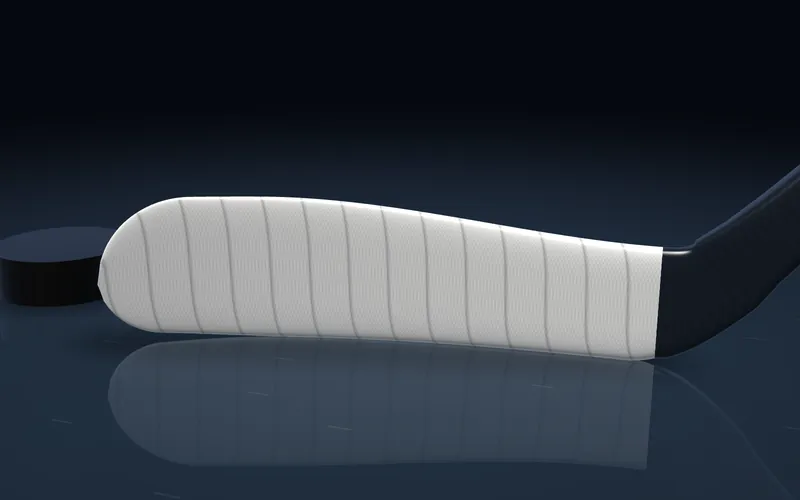
Cloth tape is woven, and a weave soaks up water. Stick wax is the fix. It is optional, cheap, and takes about a minute.
What stick wax is
Stick wax is a soft wax sold in a small block or tin. Howies says its wax is a blend of soft microcrystalline and other waxes, and that the tin stops it rubbing off on the rest of your gear. Other brands do not publish recipes.
HockeyMonkey’s guide specifies stick wax rather than general-purpose wax, though some players do use other waxes (see below).
What it does
Makers and retailers describe four effects:
- Keeps water and snow out. Howies says its wax helps prevent ice and snow build-up. Lowry calls it a moisture barrier that keeps the tape dry on wet ice, where soaked tape loses control and adds weight.
- Adds tack. Lowry says wax leaves a slightly tacky surface on the tape for a firmer feel on the puck.
- Makes tape last. Howies says wax can prolong your tape job. Lowry says you may need to retape less often.
- Maybe helps with spin. Lowry says some players believe wax helps control puck spin. It presents this as a belief, not a proven effect.
How to apply it
Lowry’s guide gives these steps:
- Start with fresh tape. Wax works best on a new tape job.
- Rub the wax over the whole blade: front, back and the bottom edge. Aim for a thin, even coat.
- Work it in with your fingers. Lowry says warming it slightly with a hair dryer is optional.
- Add extra to the bottom edge and the area where the puck usually sits. Those wear and get wet most.
- Smooth out clumps so the surface is even.
HockeyMonkey suggests four to six horizontal passes across the front of the blade, then two to four on the back. The hockeytape.ca tape types page says to rub until the tape looks matte, and to rewax between periods if it starts to look dark and wet.
Safety note
If you warm wax, use low heat and keep the dryer moving. Do not hold a heat source in one spot on a composite blade, and never use an open flame.
How pros use it
- Jason Dickinson told Second City Hockey in 2023 that he coats his tape with Howies wax.
- Ethen Frank of the Washington Capitals uses surf wax instead of hockey wax, The Hockey News reported in 2025. He says it is stickier, keeps snow off the tape and slows pucks spinning off the boards. He melts it onto the bottom of the blade with a heat gun on game days.
- Wayne Gretzky went the other way. Sports Illustrated reported in 1982 that he rubbed baby powder into his tape to take away its tackiness.
So wax is about your preference for tack, not a requirement.
When to skip it
- You like a dry, slick blade. Gretzky’s powder shows some players want less tack, not more.
- You use friction tape. HockeyMonkey lists friction tape as an alternative to wax.
- You use a blade grip instead of tape. Wax is made for cloth.
When it matters most
Outdoor ice, slushy late-game ice and humid rinks are where wax earns its keep. See tape on wet and outdoor ice. You can see a waxed blade in the Tape Lab by switching wax on.
Sources
- Howies Hockey Stick Wax (Howies Hockey Tape) howieshockeytape.com
- Essential guide to applying stick wax in hockey (Lowry Sports) lowrysports.focuspointsap.com
- How to Tape a Hockey Stick (HockeyMonkey) hockeymonkey.com
- Behind The Gear: What's the white build-up on Ethen Frank's stick blade? (The Hockey News, Feb. 2025) thehockeynews.com
- How do the Blackhawks tape their sticks? (Second City Hockey, Mar. 2023) secondcityhockey.com
- Greatness Confirmed (Sports Illustrated, Dec. 27, 1982) vault.si.com