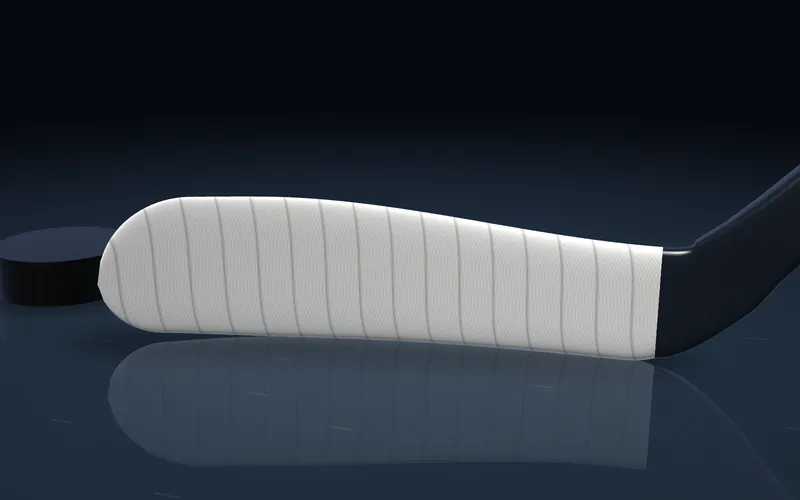
Full blade, heel to toe
The classic. Every part of the blade is covered, so the puck sits on tape wherever it lands. Most players learn this one first.
Try this in the Tape LabNo two players tape the same way, and that is the point. These are the common starting points. Make them yours.
The classic. Every part of the blade is covered, so the puck sits on tape wherever it lands. Most players learn this one first.
Try this in the Tape Lab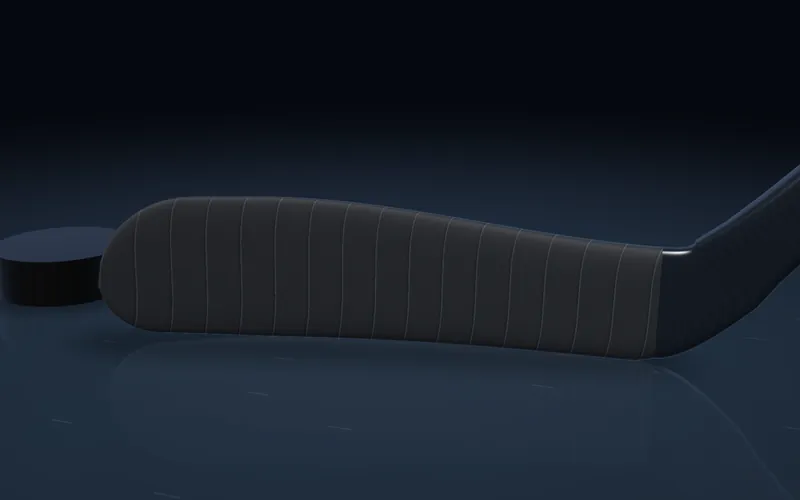
Same coverage, opposite direction. The overlapping edges point the other way, and some players swear it changes how the puck rolls off on the forehand.
Try this in the Tape Lab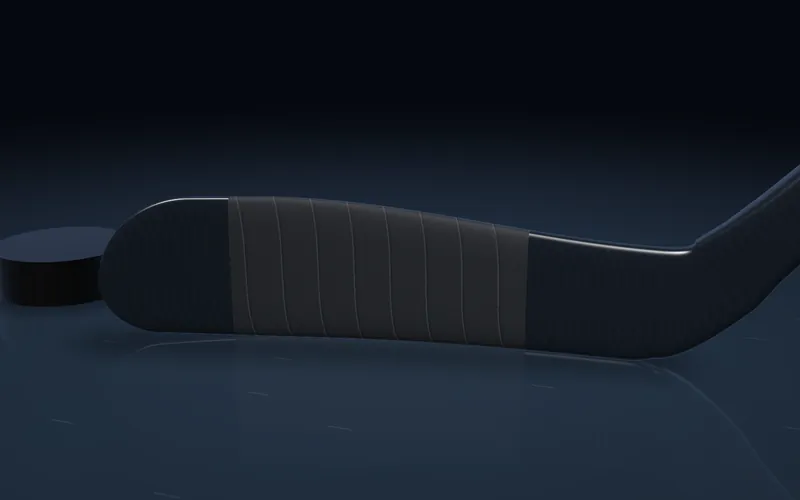
Only the middle of the blade, where most passes are caught and most shots leave. Lighter, quicker to do, and the bare heel and toe glide on the ice.
Try this in the Tape Lab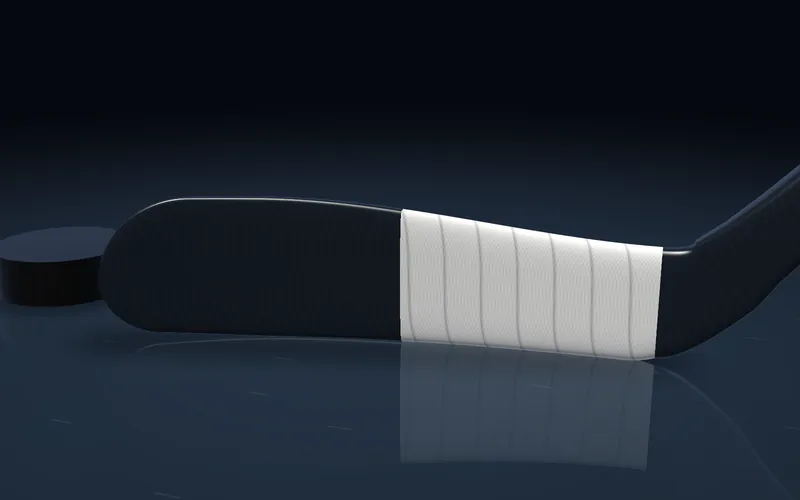
From the heel to the middle. Covers the part of the blade that meets most passes and leaves the toe bare and light for toe drags.
Try this in the Tape Lab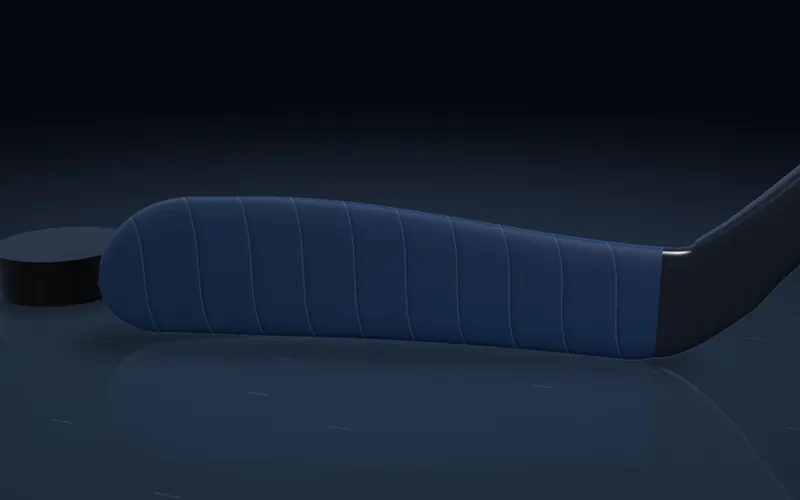
Edge to edge with almost no overlap. One thin layer means the least weight and the most direct feel for the puck.
Try this in the Tape Lab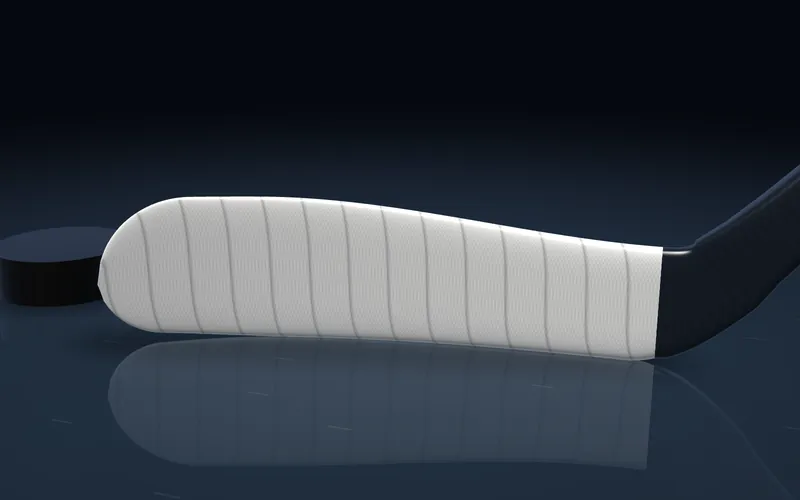
Wide tape at half overlap builds a cushion that softens hard passes and lasts longer between tape jobs. Wax keeps all that cloth from soaking up water.
Try this in the Tape LabThe knob is the part of the stick you hold onto when everything else goes wrong. It is also where players get creative.
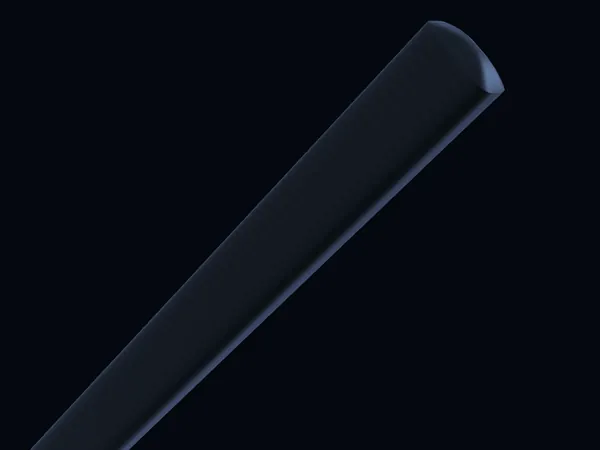
A bare shaft end. Some players like the smooth feel and slide their top hand freely.
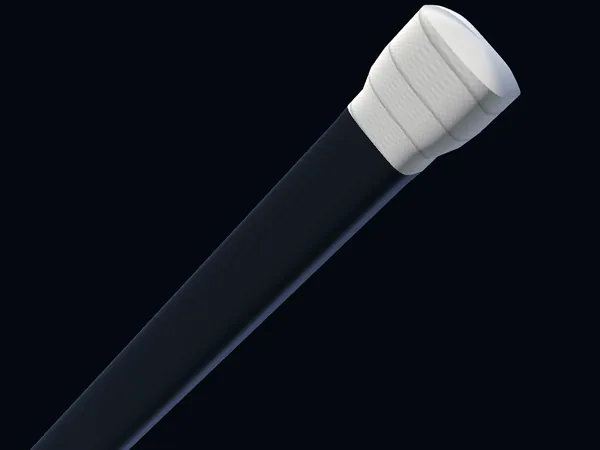
A few tight wraps at the very end. Stops the stick slipping out of your glove and nothing more.
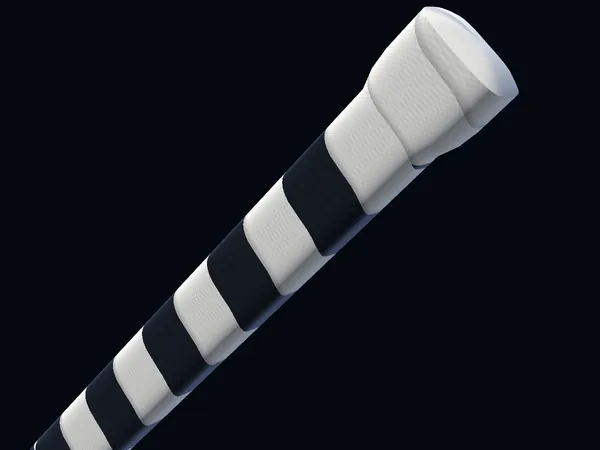
A spiral down the handle with gaps between passes, then a knob on top. The spiral gives texture where your top hand moves.
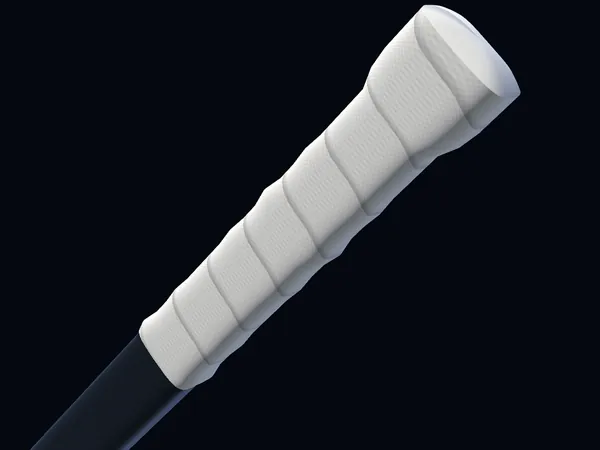
Twist strips of tape into ropes, lay them around the shaft a finger-width apart, then wrap over them. You get ridges to lock your fingers against.
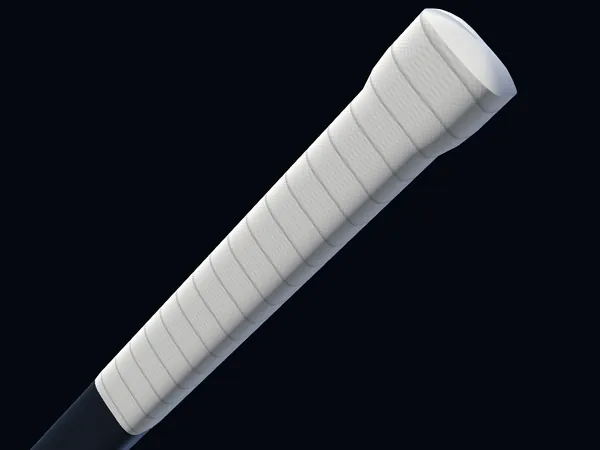
A long wrapped section running down from the top. Handy if you choke up on the stick or move your top hand a lot.
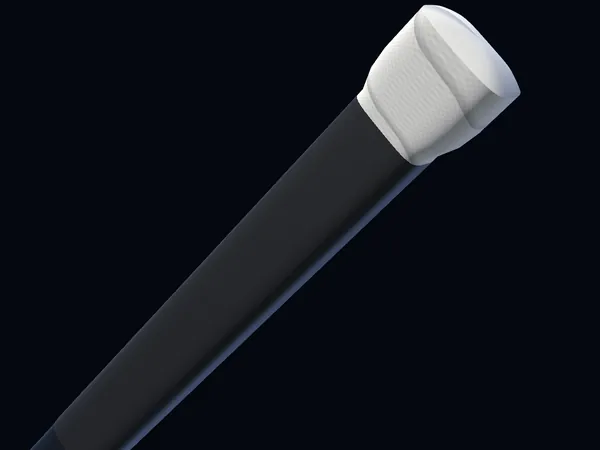
Grip tape down the upper shaft with a cloth knob on top. Tacky where you hold it, solid at the end.
Your job on the ice shapes your tape job. These are the patterns you will see most in Canadian dressing rooms.
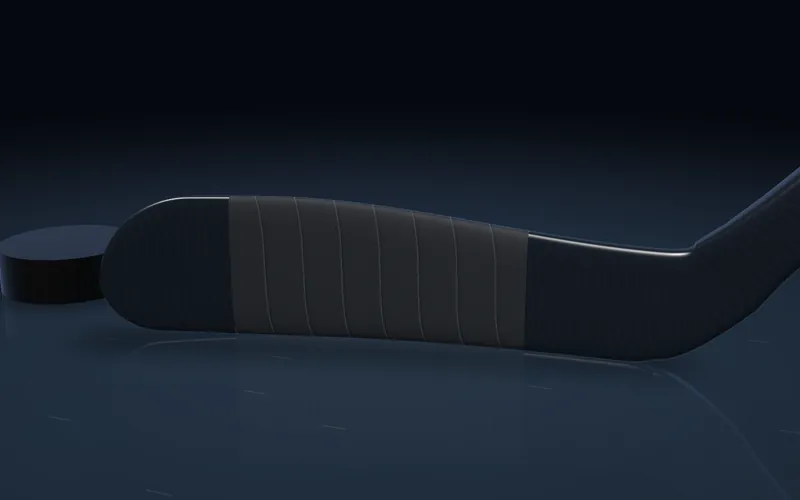
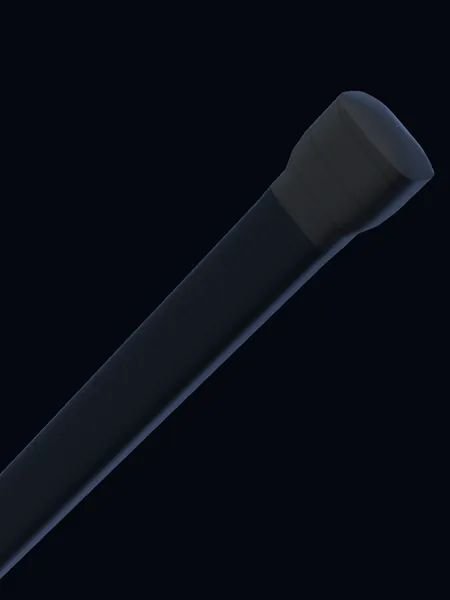
Forwards handle the puck the most, so feel comes first. Many keep the tape job light: mid-blade or full blade with modest overlap, and a small knob that lets the top hand slide during dekes and quick shots.
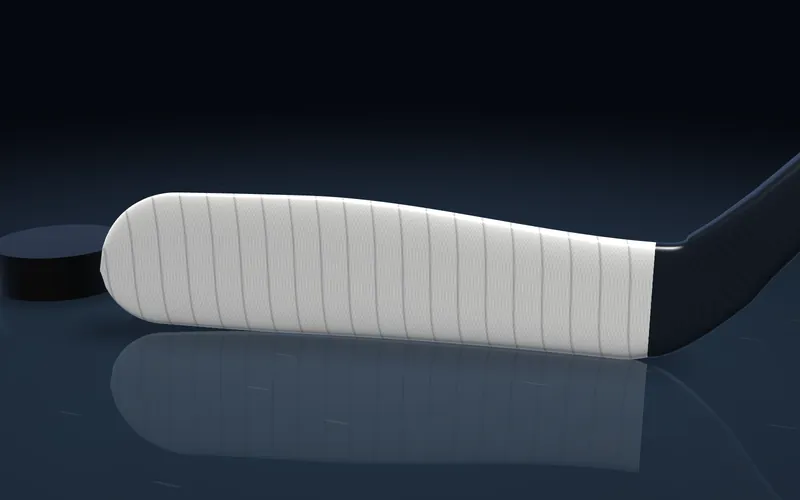
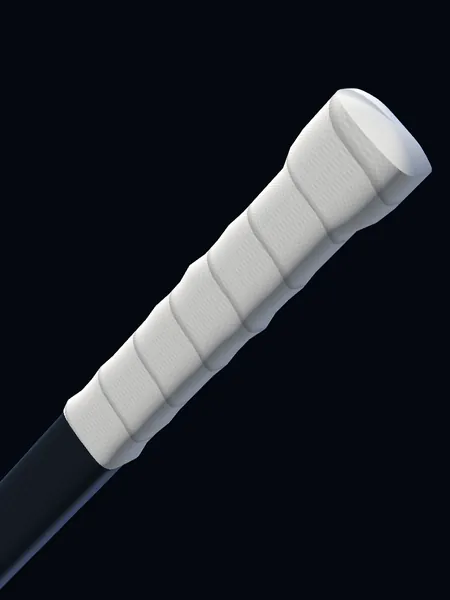
Defenders block shots, take hard passes and reach for poke checks. A full blade with heavier overlap holds up to the punishment, and a bigger knob gives a firm grip with one hand at full reach.
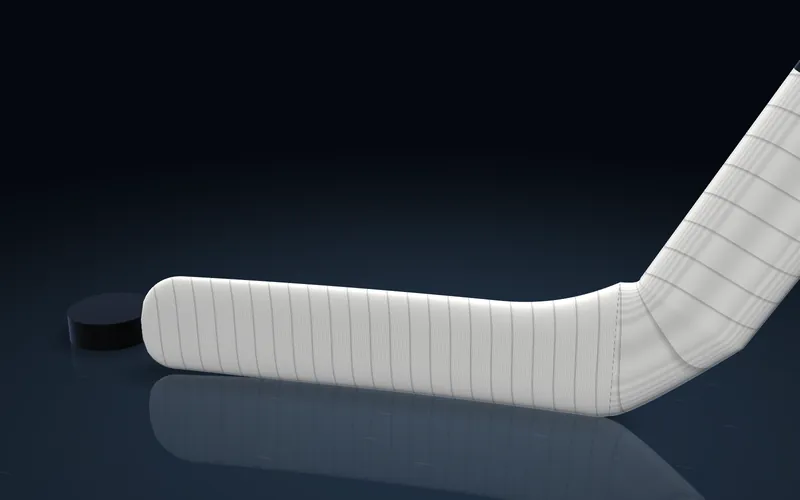
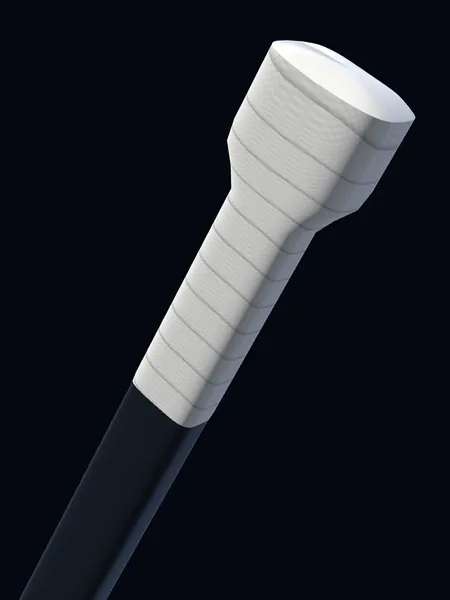
A goalie stick has a wide blade and a tall paddle. Goalies usually tape the whole blade and part of the lower paddle, where pucks hit hardest. The knob is often big, which makes the stick easier to grab off the ice and harder to lose from the blocker glove.