How Much Should Hockey Tape Overlap on the Blade?
Short answer
Most guides suggest overlapping each wrap by somewhere between a quarter and a little under half of the tape width. Less overlap means a thinner layer and more direct feel; more overlap means a thicker, longer-lasting layer that uses more tape.
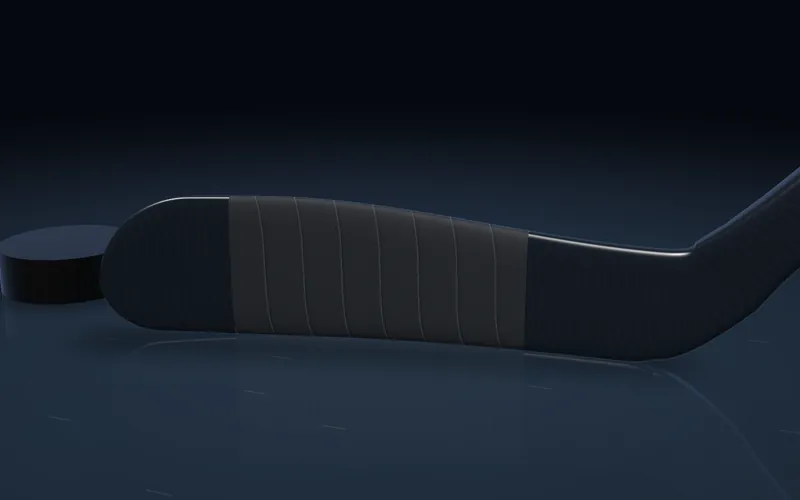
Overlap is how much of each new pass of tape covers the pass before it. It decides how thick your tape job is, how long it lasts and how much of the roll you use. There is no rule about it, so this is all about feel.
What guides recommend
- HockeyMonkey’s taping guide says to overlap each wrap by a little less than half and to keep the spacing consistent.
- GoalieMonkey’s guide says to overlap each wrap and aim for a consistent layer with no bubbles or creases.
- The hockeytape.ca tutorials use about a quarter for a forward, about a third for a goalie and nearly half for a defenceman.
What each amount does
| Overlap | Layers on the blade | Feel | Tape used | Wear |
|---|---|---|---|---|
| Almost none | About one | Most direct | Least | Wears through fastest |
| About a quarter | Mostly one, thin seams of two | Direct | Low | Moderate |
| About a third | One to two | Balanced | Medium | Moderate |
| About half | About two everywhere | Most cushioned | Most | Lasts longest |
The layer count follows from the geometry. The feel and wear columns are general expectations, not lab results. At half overlap, every point on the blade sits under two layers of tape. At no overlap, the blade gets one.
You can see the light and heavy versions side by side on the blade styles page.
How overlap changes tape use
More overlap means more passes to cover the same blade. With 1 inch tape on a 12.5 inch blade (the NHL maximum), a one-third overlap takes about 19 passes and a half overlap takes 25. That is roughly a third more tape for the heavier job. The full maths is in how much tape it takes.
Who might want what
These are starting points, not rules:
- Less overlap if you want the most feel for the puck and do not mind retaping more often.
- More overlap if you block shots, take hard passes all game or want the tape job to last longer.
- Somewhere in between if you are not sure. Start at a third and adjust.
How to keep it even
- Angle the roll slightly toward the end you are moving to. The angle sets the overlap.
- Keep steady tension. Tape pulled tight lies flat. Slack tape wrinkles and bubbles.
- Watch the edge, not the roll. Line up each pass against the edge of the last one.
- Do not stop and restart mid-blade if you can avoid it. A fresh start leaves a lump.
Overlap on the handle
The handle follows different logic. Howies tells you to stretch its grip tape gently as you wrap down until the grip is the thickness you want. On a goalie stick, the hockeytape.ca tutorial overlaps the blocker grip by half so the glove has more to grab. A candy cane knob uses gaps instead of overlap. See the knob styles.
Common mistakes
- Uneven spacing. Wide and narrow gaps on the same blade feel inconsistent.
- Ragged ends. Trim the tape clean at the toe and the bottom edge, and press the edges down.
- Wrapping over old tape. Strip the old job first so the new one lies flat. See removing tape residue.
Sources
- How to Tape a Hockey Stick (HockeyMonkey) hockeymonkey.com
- How to Tape a Goalie Stick (GoalieMonkey) goaliemonkey.com
- Yellow Stretchy Hockey Grip Tape (Howies Hockey Tape) howieshockeytape.com
- NHL Official Rules 2024-25, Rule 10: Sticks (NHL) media.nhl.com